Last updated: April 2026
“18 to 24 months.” That’s what every article says, and it’s not wrong. But it’s not the full picture either.
After 15 years of treating teens in Smyrna and Rutherford County, here’s what we actually know: about a third of our patients finish in under 18 months. Some straightforward cases wrap up closer to 12. Others with more complex bite issues go 26 or 28 months. “It depends” is a frustrating answer, but the good news is it depends on specific, knowable things, not randomness.
This article breaks down exactly what drives treatment length and what you can do to stay on the shorter end of your timeline.
In this article:
- How long do braces take on average?
- 3 things that determine your teen’s actual timeline
- Braces timeline by case type
- What slows braces down (and how to stay on track)
- What happens after braces come off?
How Long Do Braces Take on Average?
For most teens, comprehensive braces treatment takes between 12 and 24 months. The national average sits around 18 months, according to the American Association of Orthodontists, but that average includes a wide range of cases.
Here’s the more useful breakdown: mild crowding or spacing issues typically resolve in 12 to 16 months. Moderate cases, the most common, land in the 18 to 22 month range. Complex cases involving significant bite correction, skeletal issues, or Phase 2 treatment after early intervention can run 24 to 30 months.
The timeline starts at your first adjustment appointment, not the day you get braces on.
3 Things That Determine Your Teen’s Actual Timeline
This is where “it depends” becomes actually useful. After treating thousands of patients, the three factors that move the needle most are consistent.
1. The complexity of the case
This is the biggest one. A teen with mild crowding, where teeth are slightly crooked but the bite is basically good, is a fundamentally different case than a teen with a significant overbite, crossbite, or teeth that need to be moved a long distance. The wire has to do more work in complex cases, and that takes more time.
When we do your free consultation, we’re evaluating exactly this: how much tooth movement is needed and in what direction. That evaluation gives us a real timeline estimate specific to your teen, not a generic range.
2. Age and biology
Teens generally move through treatment faster than adults. The reason is straightforward: teenage jawbones are still developing, which makes teeth more responsive to orthodontic pressure. A 13-year-old and a 35-year-old with identical bite issues will usually see the 13-year-old finish a few months sooner. It’s not a huge difference, but it’s real. It’s also why the AAO recommends an orthodontic evaluation at age 7, because catching issues early, when biology is working with you, leads to more efficient treatment.
3. Patient compliance
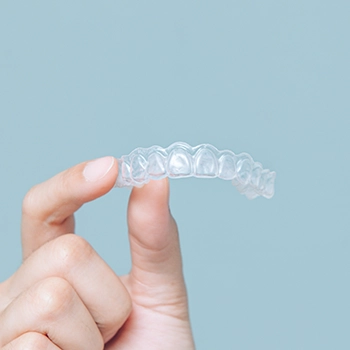
This one is entirely in your teen’s control, and it matters more than most people realize. For patients in clear aligners, wearing trays the required 20 to 22 hours per day is non-negotiable. Every hour they’re out is an hour the teeth aren’t moving. We’ve seen straightforward cases extend by 3 to 4 months because of inconsistent aligner wear.
For traditional braces, compliance means not breaking brackets (diet matters), making every scheduled appointment, and wearing rubber bands if prescribed. Missing adjustment appointments extends treatment. It’s that direct.
Braces Timeline by Case Type
Here’s how treatment length typically maps to case complexity based on what we see in our Smyrna practice:
| Case Type | What It Looks Like | Typical Timeline |
|---|---|---|
| Mild | Minor crowding or spacing, good bite | 10 to 16 months |
| Moderate | Moderate crowding, minor bite correction | 16 to 22 months |
| Complex | Significant bite issues, large tooth movement | 22 to 30 months |
| Phase 2 (after early treatment) | Completing alignment after Phase 1 | 12 to 18 months |
These are ranges, not guarantees. Every patient gets a specific estimate at their consultation based on their actual x-rays and bite analysis, not a generic guess.
What Slows Braces Down (and How to Stay on Track)
A few things consistently add months to treatment that patients have full control over.
Broken brackets. Every time a bracket pops off, tooth movement stops on that tooth until it’s rebonded. One or two over a full treatment isn’t a big deal. Repeated breaks, usually from biting into hard foods, add up. Hard candy, ice, whole apples, hard pizza crust, popcorn. Those are the main culprits.
Missing appointments. Adjustment appointments are when the wire is changed or tightened to continue moving teeth. If you go 10 or 12 weeks between appointments instead of the scheduled 6 to 8, the teeth don’t keep moving at the intended pace. Treatment takes longer.
Skipping rubber bands. If rubber bands are prescribed, usually to correct bite, they only work when they’re worn. Full time means full time. Wearing them only at night or sporadically means the bite correction either doesn’t happen on schedule or doesn’t happen at all.
The families whose teens finish on the shorter end of their estimate almost always have one thing in common: they show up to every appointment and follow the instructions.
What Happens After Braces Come Off?
The active treatment phase ends when the braces come off. But that’s not the finish line. It’s more like crossing into the maintenance phase.
After braces are removed, retainers are required. This isn’t optional and it’s not a formality. Teeth have a natural tendency to drift back toward where they were, especially in the first year after treatment. Retainers hold the result.
Most patients wear retainers full time for the first few months, then nights only. Some patients, particularly those with more complex corrections, wear retainers for longer periods.
The good news: retainers are far less noticeable than braces, far less work to maintain, and the active part of your orthodontic treatment is done. The straight teeth your teen worked for are theirs to keep, as long as they wear the retainer.
You can read more about what to expect during braces treatment at our Smyrna office, or see how much braces cost if you’re still in the research phase.
Frequently Asked Questions
How long do braces take for a teenager?
For most teens, braces take 12 to 24 months. The average is around 18 months, but mild cases can finish in under a year and complex cases may run closer to 30 months. An orthodontic consultation gives you a specific estimate based on your teen’s actual bite and x-rays.
Do braces work faster if you wear them longer each day?
Braces work continuously because they’re always on. For patients in clear aligners, wearing trays the required 20 to 22 hours daily is critical for staying on schedule. For traditional braces, staying on schedule means attending every adjustment appointment and wearing rubber bands as prescribed.
Can you speed up braces treatment?
Not dramatically, but compliance helps significantly. Keeping every appointment, avoiding foods that break brackets, and following all instructions keeps treatment moving at the intended pace. Missing appointments or breaking brackets consistently adds months.
The timeline for your teen’s braces is knowable. You don’t have to guess. Book a free consultation at our Smyrna office and we’ll give you a real estimate based on your teen’s teeth, not a generic range.