
Last updated: March 2026
A Parent’s Guide to Teen Braces: Types, Timeline, and What to Expect
Your teen’s dentist just said the four words every parent dreads a little: “It’s time for braces.” Maybe your kid is thrilled (braces colors are a whole thing). Maybe they’re horrified. Either way, you’ve got questions, and the answers matter more than most orthodontic websites let on.
This guide covers everything parents need to know before that first orthodontic consult: the right age, the right type of braces for a teenager specifically, what the process looks like from start to finish, and what to look for in the practice doing the work.
What Age Should Teens Get Braces?
Most teens start braces between ages 11 and 14, once the majority of permanent teeth have come in and jaw growth is still active enough to respond well to treatment. This window is the sweet spot: enough permanent teeth to work with, enough growth remaining to make correction efficient.
The American Association of Orthodontists recommends a first orthodontic evaluation by age 7 — not because most 7-year-olds need braces, but because early evaluation lets the orthodontist catch issues that are easier to address before all the permanent teeth arrive. Most kids seen at that age are told to come back in a few years. A small percentage benefit from early (Phase 1) intervention.
The right age for your teen specifically depends on three things: how many permanent teeth have erupted, the severity of crowding or bite issues, and whether jaw growth has slowed. There is no single number that works for every kid. After 15 years of evaluating teens, Dr. Gala’s honest take: most parents who waited a year or two past the dentist’s referral didn’t cause lasting harm. Most parents who rushed into treatment before the right teeth were in place made the process longer and more complicated.
When your dentist says it’s time, book the consult. But don’t panic if it takes a few weeks to get in.
What Type of Braces Is Best for Teenagers?
This is the question teens care most about, and it’s worth answering honestly rather than defaulting to whatever’s being advertised.
| Type | Visibility | Compliance Required | Sports/Instruments | Typical Cost | Best For |
|---|---|---|---|---|---|
| Metal braces | Visible (color options) | Low — fixed to teeth | Mouthguard recommended | $3,000–$5,500 | Most cases; highest reliability |
| Ceramic braces | Less visible | Low — fixed to teeth | Mouthguard recommended | $4,000–$6,500 | Teens who want subtler look |
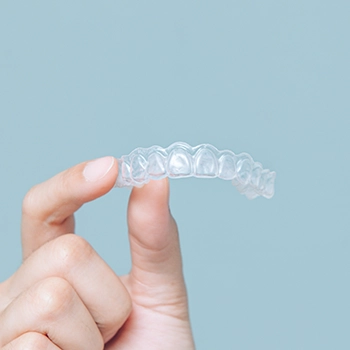
| Clear aligners | Nearly invisible | High — 22 hrs/day | Remove for contact sports | $5,000–$7,000 | Mild to moderate cases; compliant teens |
A few things that table doesn’t capture. Metal braces are not the inferior option — they’re the most reliable, the most forgiving of a teen who isn’t perfect about their diet, and the most predictable in terms of timeline. Ceramic braces look better but stain if your teen drinks a lot of coffee or sports drinks.
Clear aligners are genuinely excellent for the right patient. The problem is compliance. Aligners only work if they’re in the mouth 22 hours a day. We see plenty of teens who do great. We also see teens who leave their aligners in a lunchbox, a gym bag, or the bottom of a backpack for days at a time. If your teen is 13 and still working on personal responsibility, have an honest conversation about that before committing to aligners.
Dr. Gala’s recommendation after 15 years of treating teens: metal braces for most kids, clear aligners for teens who specifically want them and whose parents are confident they’ll comply. Don’t let the visibility concern drive the decision if the compliance isn’t there.
What Does the Braces Process Look Like From Start to Finish?
Most parents are surprised by how structured the process is once it starts. Here’s what to expect at each stage.
Consultation (Week 1): The orthodontist evaluates your teen’s teeth, jaw, and bite. At RuCo this is free and includes a conversation about what treatment is recommended and roughly what it will cost. No commitment required.
Records (Week 2–3): If you decide to move forward, the practice takes X-rays, photographs, and digital scans. These are used to build the treatment plan. At RuCo, records are included in the treatment fee.
Banding appointment (Week 3–6): Brackets are bonded to the teeth and the first wire is placed. This appointment takes 1–2 hours. Teeth will be sore for 3–5 days afterward — soft foods help.
Adjustment visits (Every 6–10 weeks): Your teen comes in for wire changes and progress checks. These visits are usually 20–30 minutes. This is where most of the movement happens.
Debanding (Month 12–24+): Brackets come off. This takes about an hour. Teeth are polished and retainers are fitted the same day or shortly after.
Retention (Ongoing): Retainers hold the result. Most teens wear them full-time for the first few months, then nights only long-term. Skipping retainer wear is the number one reason teeth shift back after braces.
Total treatment time for a standard teen case: 12–24 months. Complex cases take longer. Dr. Gala will give you a realistic estimate at the records appointment — not a guess at the consult.
How Do Braces Affect a Teen’s Daily Life?
More than most parents expect at first. Less than most teens fear. Here’s the honest version.
Eating. Hard, crunchy, sticky foods are off the table for the length of treatment. No popcorn, hard candies, chips, or chewing gum. Apples and carrots need to be cut into pieces. Most teens adapt within a few weeks. A few never stop complaining about it. Both responses are normal.
Pain. The first week after banding and for a day or two after each adjustment, teeth are sore. Over-the-counter pain relievers help. Soft foods help. It’s not severe — it’s more of a persistent achiness than sharp pain. Most teens describe adjustments on a scale of 2–4 out of 10 by the time they’re a few months in.
Sports. A mouthguard is strongly recommended for contact sports with metal or ceramic braces. Orthodontic mouthguards are available and fit over brackets. For clear aligner patients, aligners should be removed for contact sports.
Instruments. Wind and brass instrument players usually need a few weeks to readjust their embouchure. It’s manageable — plenty of teens play through treatment without significant issues. It just takes some practice.
Self-consciousness. This one is real and worth acknowledging. Some teens genuinely don’t care. Others mind a lot, especially in the first few months. The braces colors option helps more than you’d expect — letting a teen choose their bracket colors gives them some ownership over the process.
What to Look for in an Orthodontist for Your Teen
Most parents pick an orthodontist based on proximity and whether they take their insurance. Those are reasonable starting points. But a few other things matter more than most parents realize before they’ve been through treatment.
Board certification. ABO board certification (American Board of Orthodontics) is not required to practice orthodontics, but it indicates a higher level of documented competency. Ask specifically whether the orthodontist is ABO certified — not just whether they completed an orthodontic residency.
Doctor consistency. At chain practices and DSOs, your teen may see a different doctor at every visit, or see a clinical assistant doing most of the work while the doctor checks in briefly. At an independent practice, the owner-doctor is usually hands-on at every appointment. For a 12–24 month treatment that your teenager is going through, this matters.
In-network insurance. “We work with all insurances” is not the same as “we’re in-network.” In-network status means contracted rates, which means your insurance covers a larger share. Always confirm in-network status with your specific plan before starting treatment. For a full breakdown of how orthodontic insurance works, see our guide to braces cost and insurance.
Transparent pricing. All-in quotes that include records, adjustment visits, and retainers are easier to budget for than itemized billing. Ask what the quote includes before you compare numbers across practices. More on that in our braces cost breakdown guide.
Who’s actually in the office. Ask directly: “Will I see the same doctor at every visit?” The answer tells you a lot.
Braces for Teens at RuCo: What Parents Need to Know
RuCo is an independent orthodontic practice in Smyrna, TN. Dr. Anish Gala and Dr. Sasha Baston are the owners and the treating doctors — not a rotating schedule of providers. Your teen sees the same two doctors, every single visit.
RuCo is in-network with most major insurance plans in Rutherford County. The treatment fee is all-in: records, all adjustment visits, repairs, and the first set of retainers. No line-item billing mid-treatment. Dr. Baston is bilingual in English and Spanish — full-service care in both languages, front desk through treatment chair.
Consultations are free. We check your insurance benefits before you come in so you walk out knowing your actual out-of-pocket cost. No pressure. No catch.
Book your free consult. We’ll tell you exactly what your teen needs and exactly what it will cost.
Frequently Asked Questions
What is the best age to get braces for a teenager?
Most teens start orthodontic treatment between ages 11 and 14, after the majority of permanent teeth have erupted. The AAO recommends a first evaluation by age 7 to catch early issues, but most kids don’t begin treatment until the early teen years. The right age depends on your teen’s specific jaw development and tooth eruption pattern.
How long do braces take for teenagers?
A standard teen case with metal braces typically takes 12–24 months. More complex cases involving significant bite correction can take longer. Your orthodontist can give you a realistic estimate after reviewing records — not at the initial consultation before X-rays are taken.
Are clear aligners a good option for teenagers?
Clear aligners work well for teens with mild to moderate cases who are committed to wearing them 22 hours a day. Compliance is the key variable. Teens who remove their aligners frequently or forget to put them back in will not get the same result as teens who wear them consistently. Have an honest conversation with your teen before choosing aligners over braces.
Do braces hurt?
The first week after banding and the day or two following each adjustment visit, teeth are sore and sensitive. Over-the-counter pain relievers and soft foods help. Most teens describe it as a 2–4 out of 10 — uncomfortable but manageable. The soreness is not constant for the full length of treatment.
Can my teen play sports with braces?
Yes, with a mouthguard. Orthodontic mouthguards are available that fit over brackets. For contact sports, a mouthguard is strongly recommended. Teens in clear aligners should remove their aligners for contact sports.
Every teen’s braces experience is a little different, but the fundamentals are the same: the right type of braces, an orthodontist who’s actually present, and a practice that gives you real answers before you commit.
RuCo sees about 70 new teen starts every month in Smyrna. Book your free consult and find out exactly what your teen’s treatment will look like — and what your insurance covers before you walk in the door.
About the Author
Dr. Anish Gala, DMD, ABO Certified Dr. Gala is a board-certified orthodontist and co-owner of RuCo Orthodontics in Smyrna, TN. He has 15 years of experience treating teens specifically and sees patients every day at RuCo’s Smyrna office. He has started braces on more teenagers than he can count — and still hasn’t heard a question he hasn’t answered a hundred times before.