
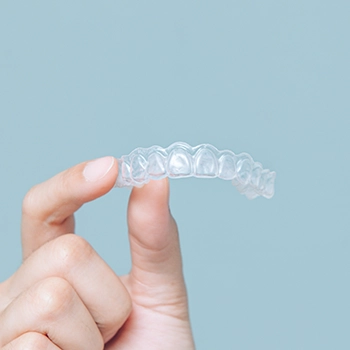
Figuring out whether Invisalign or clear aligners is recommended for your case comes down to understanding what these terms actually mean and how each option fits your specific orthodontic needs. At RuCo Orthodontics, Dr. Anish Gala and Dr. Sasha Baston help families sort through the options with straight answers, not sales pitches. The goal here is simple: give you the information you need to understand the differences before you ever sit in a chair.
What Are Clear Aligners and Invisalign?
Clear aligners are transparent, removable trays that gradually shift teeth into alignment, and Invisalign is one brand within that category. All Invisalign trays are clear aligners, but not every clear aligner is Invisalign. Think of it the way you’d think of tissues versus Kleenex: one is the product type, the other is a brand name.
Because Invisalign was the first major clear aligner system to reach widespread use, many people use the name to describe any clear tray treatment. That’s understandable, but it can create confusion when you’re comparing options. Other clear aligner systems exist, including in-office systems that orthodontists fabricate or oversee directly, plus various lab-produced brands that work through dental and orthodontic practices.
There are also direct-to-consumer aligner companies that ship trays to your home without an in-person exam. These are technically clear aligners too, but the level of clinical oversight is very different from what you’d get at an independent orthodontic practice.
When Dr. Gala or Dr. Baston talks with you about clear aligner treatment, they’ll be specific about which system they’re recommending and why. The brand matters less than whether the system is the right fit for your teeth, your bite, and your goals.
How Clear Aligners and Invisalign Work
Clear aligners and Invisalign move teeth through a series of custom-made trays, each slightly different from the last. A digital scan captures the shape of your teeth, your orthodontist builds a 3D treatment plan, and a sequence of trays is produced to shift teeth in small, controlled increments until your smile reaches its planned position. Each tray represents one small step in that sequence.
Here’s what the process typically looks like at our practice:
- Digital records and exam. Dr. Gala or Dr. Baston takes digital photos, X-rays, and a 3D scan of your teeth. No goopy impressions required.
- Personalized treatment plan. Your doctor maps out tooth movements and shares a preview of how your smile is expected to change.
- Custom trays produced. A series of clear trays is fabricated based on your plan.
- Wear schedule. You wear each tray 20 to 22 hours per day, removing it only to eat, drink anything other than water, and brush.
- Tray swaps. You move to the next tray in the series every one to two weeks, as directed.
- Check-in visits. You come in every few weeks for Dr. Gala or Dr. Baston to monitor progress and make adjustments.
For some movements, small tooth-colored attachments are bonded to specific teeth to give the aligners something to grip. These help with rotations, vertical movements, and other shifts that flat trays alone can’t accomplish. Buttons and elastics may also be used in certain bite corrections, and your doctor will explain exactly where they go and what they do before anything is placed.
The whole approach depends on consistent wear. If trays sit in a case for half the day, teeth don’t track with the plan, and treatment slows down. Compliance is one of the biggest factors that separates a smooth experience from a frustrating one. That’s also why the wear schedule comes up so often during check-in visits. Your doctor isn’t nagging. They’re protecting the timeline you signed up for, and small habits early on make a big difference in how the rest of treatment goes.
Benefits of Clear Aligner Treatment
Clear aligners offer several advantages that make them appealing for teens and adults who want a discreet treatment option. The benefits aren’t universal, though. They depend on the case, the system, and how well the wear schedule is followed.
What makes clear aligners more comfortable than braces?
- Nearly invisible appearance. Most people won’t notice you’re wearing them, which matters for professionals, performers, and anyone self-conscious about metal braces.
- Generally more comfortable. No brackets to irritate cheeks, no wires to poke. There’s still some pressure as teeth move, but the day-to-day feel is gentler.
- Removable for meals and brushing. You eat what you want, and you can brush and floss normally without working around brackets and wires.
How do clear aligners fit into daily life?
- Fewer office visits for many cases. Routine check-ins are often spaced further apart than typical braces adjustments.
- Predictable, planned outcomes. The 3D treatment plan lets you see the projected result before you start.
- Easy to maintain. Since the trays come out, your normal oral hygiene routine stays largely the same, which many families find easier to keep up with over months of treatment.
Invisalign vs. Clear Aligners: Key Differences
When patients ask about Invisalign versus clear aligners and which is recommended for their case, they’re usually weighing three things: the material and technology, the level of clinical oversight, and the range of cases the system can handle. Here’s how the main categories compare.
| Feature | Invisalign | Other Clear Aligners (In-Office) | Direct-to-Consumer Aligners |
|---|---|---|---|
| Doctor oversight | Full, in-person | Full, in-person | Limited or remote only |
| Initial exam and X-rays | Yes | Yes | Usually no |
| Material | Proprietary SmartTrack | Varies by brand | Varies by brand |
| Treatment range | Mild to complex cases | Mild to moderate, varies | Generally mild only |
| Attachments available | Yes | Often yes | Typically no |
| Bite correction capability | Strong | Varies | Limited |
| Mid-course adjustments | Yes | Yes | Limited or none |
Invisalign uses a proprietary material called SmartTrack, designed to apply more consistent force across the tooth movement. Align Technology, the company behind Invisalign, has a large dataset from years of cases, which informs how their software predicts tooth movements. That data, paired with refinement options and a wide range of features, is why Invisalign tends to handle more complex cases than some alternatives.
Other in-office clear aligner systems can work well for straightforward cases. Material quality, software, and case complexity range are the main variables. Dr. Gala and Dr. Baston will give you an honest recommendation about which system fits your situation, not just the one that’s most marketed.
Direct-to-consumer aligners are a different category altogether. They skip the in-person exam, X-rays, and ongoing doctor supervision. For some very mild cases, that produces a cosmetic improvement, but the lack of oversight means underlying issues can go unaddressed, and problems that arise during treatment may not be caught in time.
What all clear aligners share: they’re removable, transparent, and work through incremental tray changes over time. They also all rely on you actually wearing them as directed, regardless of which brand or system you choose.
Cost Factors for Clear Aligners and Invisalign
Clear aligner and Invisalign cost depends on case complexity, treatment length, the system used, and the level of professional oversight involved. The case dictates the cost. In-office treatment with full orthodontic supervision typically costs more than mail-order options. It also includes the exam, imaging, attachments, adjustments, refinements, and retainers needed to actually finish the case well.
Here are the main factors that influence what you’ll pay:
- Case complexity. A mild crowding case takes fewer trays than a case involving rotations, spacing, and bite correction.
- Treatment length. Longer cases require more trays and more check-in visits.
- System chosen. Invisalign and other clear aligner brands have different price points.
- Included services. Retainers, refinements, and follow-up care may be bundled or billed separately, depending on the practice.
- Insurance coverage. Many dental plans include an orthodontic benefit that can cover a good chunk of treatment cost.
- FSA and HSA funds. Pre-tax accounts can usually be applied to orthodontic treatment.
- Payment plans. Most independent orthodontic practices, including ours, offer in-house payment plans to spread the cost out.
It helps to think about cost in two buckets: the upfront price and the value of what’s included. A lower sticker price that leaves out refinements or retainers can end up costing more once those services get added back in. A slightly higher all-in price often covers everything from the first scan to the final retainer. That distinction matters when you’re comparing quotes from different practices or weighing a mail-order option against in-office care.
RuCo Orthodontics is in-network with most dental insurance plans, which often reduces the out-of-pocket cost. At your free consultation, we’ll walk through coverage, your estimated cost, and payment options up front so there are no surprises later. You’ll leave knowing what your treatment involves and what it costs, with no guesswork.
Which Treatment Is Recommended for Your Case?
The right choice depends on what your teeth and bite actually need. Here’s a general framework Dr. Gala and Dr. Baston use when evaluating candidates for clear aligner treatment:
- Mild crowding or spacing. Often suitable for standard clear aligners or Invisalign, with predictable results.
- Moderate alignment issues with mild bite concerns. Usually a good fit for Invisalign, sometimes with attachments and elastics.
- Complex bite correction (deep bite, open bite, crossbite). Invisalign can handle many of these cases, though traditional braces are sometimes the better choice depending on the specifics.
- Severe rotations, impactions, or significant skeletal issues. Often better treated with braces, which give the orthodontist more direct control over tooth movement.
- Patients who can commit to 20-22 hours of daily wear. Essential for any clear aligner option. If trays aren’t worn consistently, treatment falls behind the plan.
Teens can be excellent candidates for clear aligners, and many adults choose aligners specifically because of the discreet appearance. That said, the best treatment isn’t always the most marketed one. At RuCo, Dr. Gala and Dr. Baston will tell you honestly whether aligners make sense for what your smile needs, or whether braces would get you a better result.
A free consultation includes digital records, an orthodontic exam, and a personalized treatment plan recommendation. There’s no pressure and no obligation, just straight answers about what your options actually are. The only way to know whether Invisalign, another clear aligner system, or traditional braces is the right fit is to have your teeth and bite evaluated in person.
Why Families Choose RuCo Orthodontics
RuCo Orthodontics is an independent orthodontic practice serving families. Dr. Anish Gala is board-certified by the American Board of Orthodontics, and he practices alongside Dr. Sasha Baston, bringing extensive clinical experience to every case.
A few things that set us apart:
- Same doctor, every visit. You see Dr. Gala or Dr. Baston at every visit, not a rotating roster of providers.
- Not a corporate chain, not a rotating roster of providers. We’re independent, which means treatment decisions are made between you and your doctor.
- In-network with most dental insurance plans. We handle the insurance coordination so you don’t have to.
- Hablamos español. Clear communication isn’t a barrier to great care.
- Free consultations. No pressure, no obligation, just honest recommendations about what your smile actually needs.
Frequently Asked Questions
Are Invisalign and clear aligners the same thing?
Invisalign is a specific brand of clear aligner, not a separate product category. All Invisalign trays are clear aligners, but not all clear aligners are Invisalign. Other in-office aligner systems and direct-to-consumer brands also fall under the clear aligner umbrella, though the level of clinical oversight and case complexity each can handle varies significantly.
How long does clear aligner treatment take?
Most clear aligner cases take between 6 and 24 months, depending on complexity. Mild crowding or spacing might finish in under a year, while more involved cases with bite correction often run 18 months or longer. Consistent wear of 20 to 22 hours per day is what keeps treatment on schedule.
Is Invisalign worth the extra cost?
For many cases, yes, particularly when the case is complex or when predictability matters. Invisalign’s material, software, and feature set tend to handle a wider range of movements than some alternatives. For very simple cases, other clear aligner systems may produce similar results at a lower price. The right answer depends on your specific case, which is what a free consultation is for.
Can clear aligners fix severe misalignment?
Sometimes, but not always. Invisalign has expanded what aligners can do, and many complex cases are now treated successfully with trays plus attachments and elastics. That said, severe rotations, impactions, or significant skeletal issues are often treated more effectively with traditional braces. Dr. Gala or Dr. Baston can tell you honestly whether aligners are the right tool for your case.
Do clear aligners hurt?
There’s typically some pressure or soreness for a day or two after switching to a new tray, especially in the first week of treatment. Most patients describe it as tightness rather than pain, and it’s usually manageable without medication. Aligners don’t have wires or brackets, so they generally avoid the cheek and lip irritation that some braces patients experience. If you ever have a question about how a tray feels, Dr. Gala or Dr. Baston is available to help.