Choosing the right pediatric orthodontist comes down to four things: verified specialty credentials, real experience treating children, clear communication with parents, and consistent care from the same doctor at every visit. Beyond the basics, you want someone who can explain what your child actually needs, what can wait, and what isn’t worth doing at all.
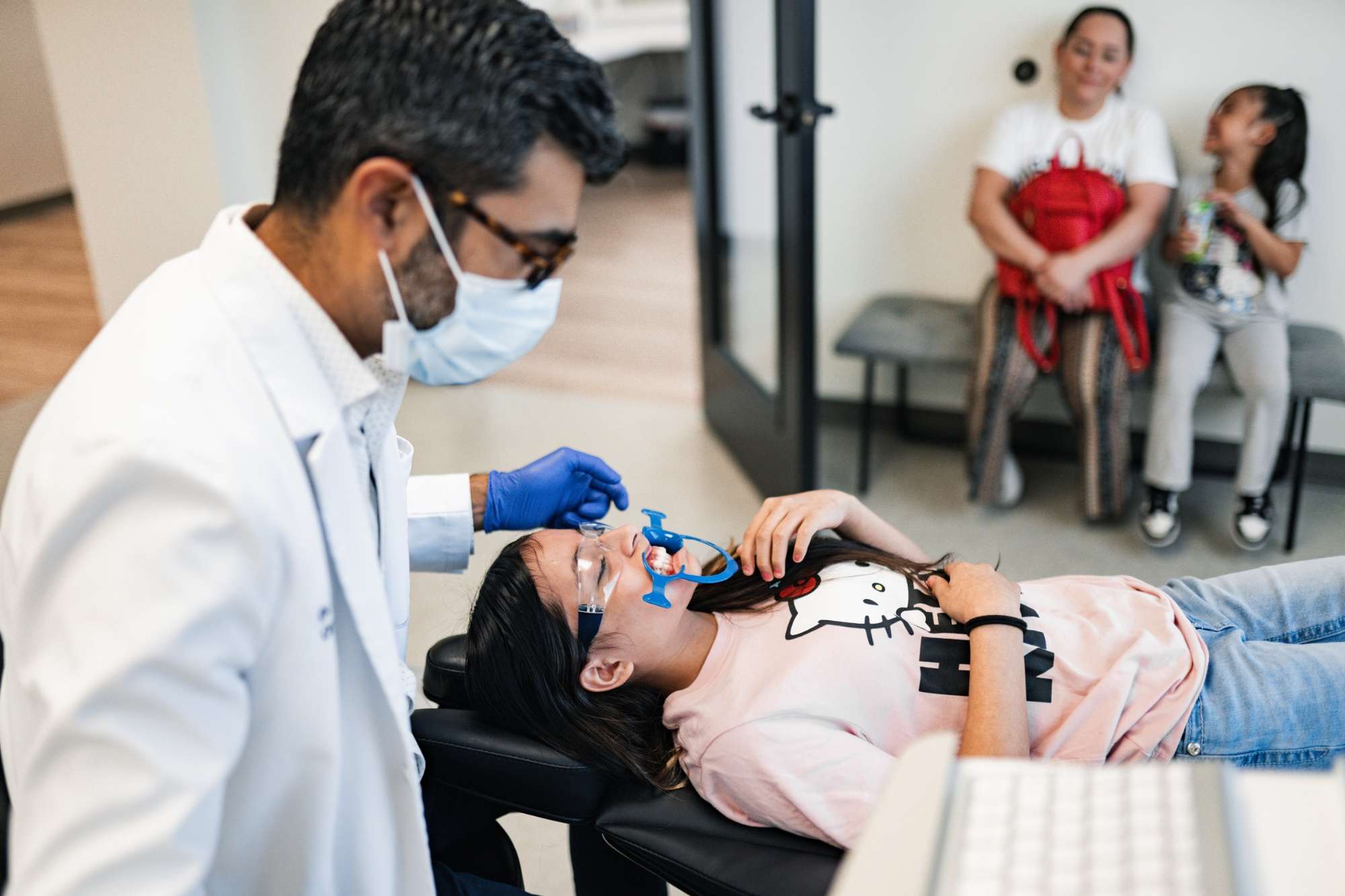
At RuCo Orthodontics, Dr. Anish Gala and Dr. Sasha Baston personally see every patient at every visit, which means your child builds a real relationship with the doctor guiding their care.
What Is a Pediatric Orthodontist?
A pediatric orthodontist is a dental specialist who diagnoses and treats bite, alignment, and jaw development issues in children and teens. After dental school, orthodontists complete an additional two to three years of accredited residency training focused entirely on tooth movement, jaw growth, and craniofacial development.
That extra training is what separates orthodontists from general dentists. A family dentist handles cleanings, cavities, and routine care. An orthodontist focuses on how teeth and jaws are growing, when to intervene, and how to time treatment so it works with your child’s development rather than against it. For growing patients, that timing piece matters more than most parents realize.
How to Evaluate a Pediatric Orthodontist
A strong pediatric orthodontist combines verified specialty training, a real track record treating children and teens, a clear way of explaining treatment to parents, and a practice setup that makes kids feel comfortable rather than rushed. Those four pillars separate a good fit from a so-so one. Weigh each carefully before you commit.
Here’s a practical checklist to work through:
- Verify specialty credentials. Confirm the doctor completed an accredited orthodontic residency. Board certification through the American Board of Orthodontics is an extra signal of expertise. Dr. Gala is board-certified by the ABO.
- Ask about experience with kids and teens. Treating a 9-year-old in mixed dentition is different from treating an adult. You want a doctor who works with growing patients regularly. Dr. Gala and Dr. Baston bring nearly 30 years of combined clinical experience to pediatric and teen cases.
- Pay attention to the practice environment. Is the front desk welcoming? Are kids treated kindly? Does the practice feel calm rather than chaotic?
- Listen to how they communicate. A good pediatric orthodontist explains things in plain language, gives you straight answers, and tells you when treatment isn’t needed yet.
- Ask who actually treats your child. In some practices, you meet one doctor at the consultation and a different one at follow-ups. At RuCo, it’s same doctor, every visit. Not a corporate chain, not a rotating roster of providers.
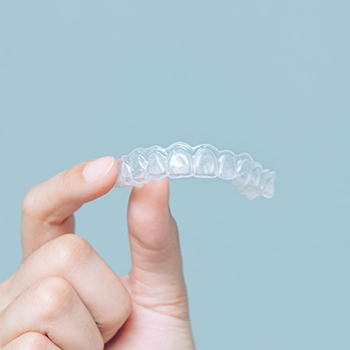
- Check the technology. Digital photos, digital X-rays, and modern treatment options like clear aligners should be standard.
If a practice rushes you through the first visit or pushes treatment before answering your questions, that’s a signal to keep looking. Trust your read on whether the doctor is genuinely listening to your concerns or simply moving you toward a sale.
Benefits of Choosing the Right Pediatric Orthodontist
The right pediatric orthodontist catches issues early, builds a treatment plan that respects your child’s growth, and creates a first dental experience your child won’t dread coming back to. That combination pays off for years.
Specific benefits include:
- Early detection of crowding, crossbites, jaw misalignment, and bite problems before they get harder to fix
- Treatment plans built around growth that account for how your child is still developing rather than copying a generic adult approach
- A positive first experience that builds confidence and reduces anxiety around future dental visits
- Better long-term outcomes when interventions happen at the right developmental window
- Fewer complex treatments later, because some issues are dramatically easier to address at age 8 than at age 16
Parents tell us the most underrated benefit is simply not having to repeat the backstory at every visit. When the same doctor sees your child each time, the continuity shows up in the quality of care, and families notice the difference in how smoothly each visit goes.
Pediatric Orthodontist vs. General Dentist: What’s the Difference?
Both professionals care about your child’s teeth, but the training and scope are different. A general dentist completes dental school and handles cleanings, fillings, sealants, and basic dental health. An orthodontist completes dental school plus two to three additional years of full-time specialty training in tooth movement and jaw development.
| Factor | General Dentist | Pediatric Orthodontist |
|---|---|---|
| Education | Dental school (4 years) | Dental school + 2-3 year orthodontic residency |
| Primary focus | Cavities, cleanings, general oral health | Bite correction, tooth alignment, jaw growth |
| Appliances used | Limited orthodontic options | Full range: braces, clear aligners, expanders, retainers |
| Treatment timing | Basic guidance | Growth-based timing for kids and teens |
| Board certification | General dentistry | American Board of Orthodontics (specialty) |
Some general dentists do offer limited orthodontic services, and that can work for very straightforward cases. But for anything involving jaw growth, mixed dentition, or moderate to complex alignment issues, a referral to an orthodontic specialist usually leads to a better result. If your dentist suggests an orthodontic evaluation, or if you notice signs yourself, a free consultation with a specialist is the right next step.
Cost Factors for Pediatric Orthodontic Care
Pediatric orthodontic costs vary based on treatment type, case complexity, treatment length, and insurance coverage. Simple Phase 1 interceptive treatment costs less than full braces or clear aligners. Most independent orthodontic practices offer free consultations, accept insurance, and provide payment plans to make treatment manageable for families.
Here are the main factors that influence cost:
- Treatment type matters first. Traditional braces and clear aligners can fall into different price ranges depending on the case.
- Case complexity is a major driver. Mild crowding is different from a significant bite correction. The more movement and time required, the higher the cost.
- When it comes to Phase 1 vs. complete treatment, early interceptive treatment is typically shorter and priced separately from full braces or aligner treatment that follows later.
- Treatment length plays a role too. Most pediatric cases run 12 to 24 months, but timing varies by family and by case.
- Finally, insurance and payment plans can change the math entirely. Coverage can meaningfully reduce out-of-pocket costs. RuCo Orthodontics is in-network with most dental insurance plans and offers flexible payment options.
Orthodontic treatment shouldn’t require a benefits specialist to figure out. At your free consultation, you’ll get a written breakdown of what’s included, what insurance covers, and what your monthly payment would look like. No surprises.
Signs Your Child May Need an Orthodontist
According to the American Association of Orthodontists, every child should have a first orthodontic check-up by age 7. By that age, enough permanent teeth have emerged that an orthodontist can spot developing issues even when treatment isn’t needed yet. An early visit doesn’t mean early braces. It means earlier information.
Watch for these signs that an orthodontic evaluation makes sense:
- Early or late loss of baby teeth. Teeth that fall out too soon or stick around too long can affect how permanent teeth come in.
- Difficulty chewing or biting. If your child avoids certain foods or struggles with normal bites, the alignment may be the cause.
- Mouth breathing. Chronic mouth breathing can be linked to narrow palates or airway issues an orthodontist can evaluate.
- Jaws that shift or click. A jaw that pops, clicks, or moves to one side when biting often signals an underlying bite problem.
- Crowding or noticeable spacing. Teeth that overlap, twist, or have unusual gaps are worth checking.
- Cheek biting or tongue thrusting. These habits can both cause and reflect alignment issues.
- Facial imbalance. If the upper and lower jaws don’t seem proportionate, an orthodontist can assess whether growth-based treatment would help.
Seeing one or two of these doesn’t mean treatment is needed immediately. It means it’s worth a free consultation so you have the information. Dr. Gala and Dr. Baston will give you an honest recommendation about whether your child needs care now, later, or not at all, with no pressure and no obligation.
Frequently Asked Questions
At what age should my child see an orthodontist?
The American Association of Orthodontists recommends a first orthodontic check-up by age 7. At that point, most kids have a mix of baby and permanent teeth, which gives the orthodontist a clear picture of how the adult teeth and jaws are developing. Many children won’t need treatment yet, but early evaluation lets Dr. Gala or Dr. Baston catch issues that are easier to correct during active growth.
How long does pediatric orthodontic treatment take?
Most pediatric orthodontic treatments take 12 to 24 months, though shorter Phase 1 treatments may run 6 to 12 months. The actual length depends on the type of treatment, the complexity of the case, and how consistently your child wears their appliances or aligners. At your free consultation, you’ll get a specific time estimate based on what your child needs.
Does my child need braces if they still have baby teeth?
In some cases, yes. Certain issues are easier to correct while baby teeth are still present and the jaws are actively growing. This is called Phase 1 or interceptive treatment, and it’s used for things like crossbites, severe crowding, or jaw development concerns. Most kids don’t need Phase 1, but a check-up by age 7 helps you know for sure.
What’s the difference between Phase 1 and Phase 2 treatment?
Phase 1 treatment happens while a child still has a mix of baby and permanent teeth, usually between ages 7 and 10. It addresses specific growth or alignment issues that benefit from early intervention. Phase 2 is the complete treatment that happens once all permanent teeth have come in, typically with braces or clear aligners. Not every child needs both phases.
How do I prepare my child for their first orthodontic visit?
Keep it simple and low-key. Let your child know the first visit is just a look, with digital photos and X-rays, and a friendly conversation with the doctor. There are no shots, no drilling, and nothing painful. At RuCo, first visits typically take 45 to 60 minutes and include time for both you and your child to ask questions.
If you’ve been wondering whether your child should see an orthodontist, a free consultation is the easiest way to get straight answers, with no pressure and no obligation. Dr. Gala and Dr. Baston will tell you honestly whether treatment is needed now, whether it can wait, or whether your child doesn’t need orthodontic care at all. You can schedule a free consultation at RuCo Orthodontics to learn more.