Picture a parent and their 14-year-old sitting in a consultation chair, trying to decide whether the teen should get shiny silver brackets or the more discreet tooth-colored kind. It’s one of the first decisions families weigh when they start exploring fixed orthodontic treatment. Are traditional metal braces or ceramic braces better at RuCo Orthodontics? The honest answer is that both work well, and the right pick depends on your goals, your bite, and your daily life. Below, Dr. Anish Gala and Dr. Sasha Baston break down how each system works so you can walk into your free consultation already knowing the basics.
What Are Metal and Ceramic Braces?
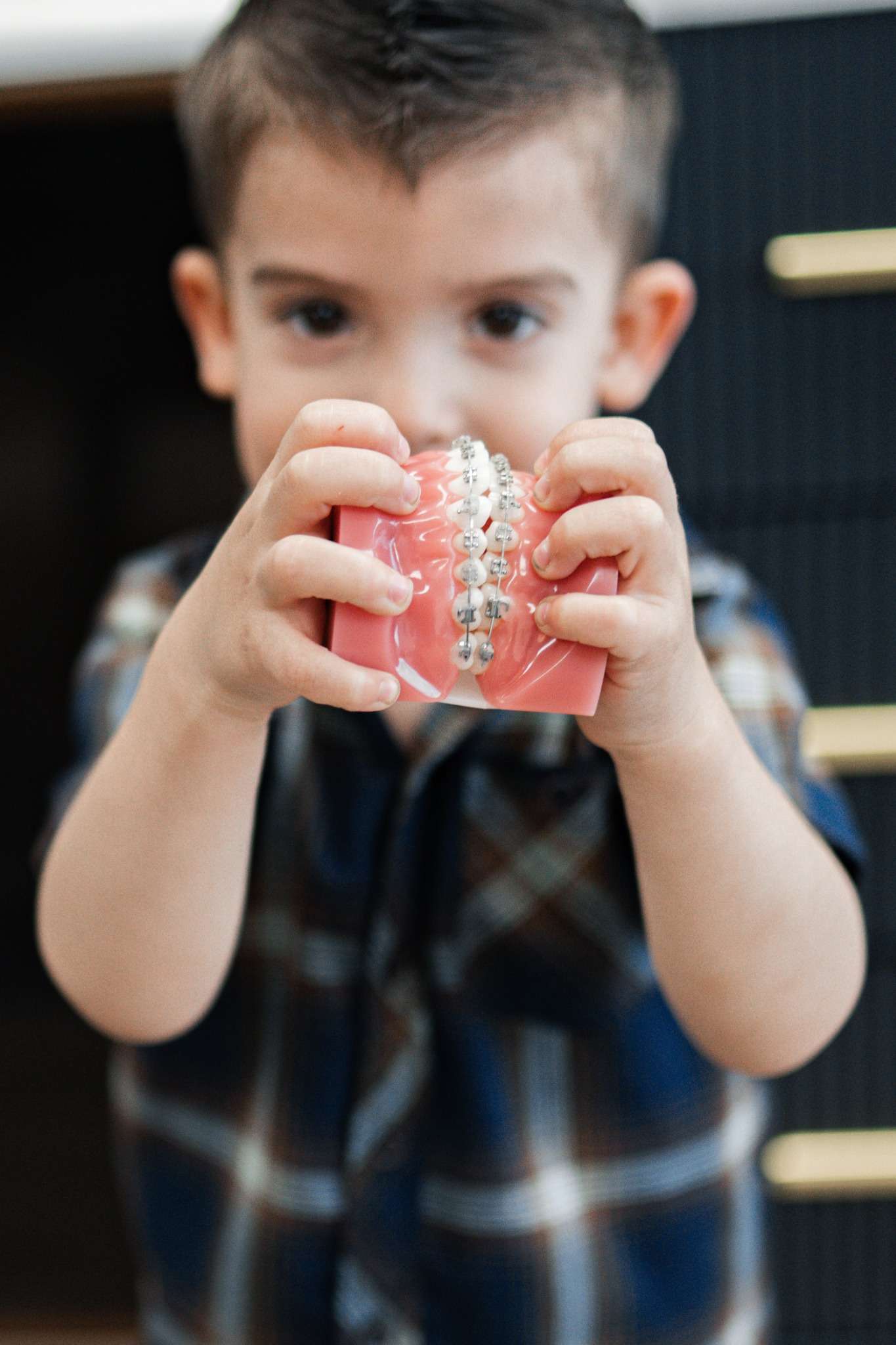
Metal and ceramic braces are fixed appliances that bond a bracket to each tooth and run a thin archwire through them to shift teeth into alignment. Metal braces use stainless steel parts. Ceramic braces use clear or tooth-colored brackets that blend with enamel for a more discreet look. Both deliver the same proven mechanics.
What Are the Parts of a Braces System?
Before comparing the two, it helps to know the basic vocabulary your orthodontist will use during visits:
- Bracket: The small square bonded to the front of each tooth. Metal brackets are silver. Ceramic brackets are translucent or tooth-colored.
- Archwire: The thin wire that runs through every bracket. It applies the gentle, steady force that actually moves your teeth.
- Ligature: The tiny elastic or wire tie that holds the archwire to each bracket. Ligatures are swapped out at most visits and come in clear, tooth-colored, or fun colors if you want them.
- Self-ligating brackets: A newer style of bracket with a built-in clip or door that holds the archwire in place, no separate ligatures needed.
What’s the Difference Between Fixed and Removable?
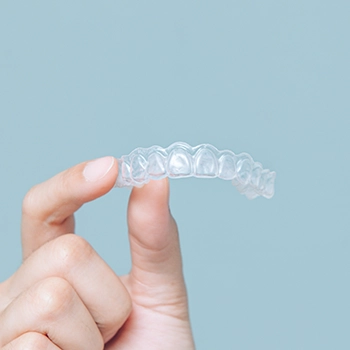
Both metal and ceramic braces are fixed appliances. They stay on your teeth around the clock until treatment is complete, which is one of their biggest advantages: they work whether you remember them or not. That’s different from clear aligners, which you take in and out and rely on you to wear roughly 22 hours a day.
For families weighing all the options, the simplest way to think about it is this: braces (metal or ceramic) handle the work for you, while aligners ask you to handle the work consistently. Dr. Gala and Dr. Baston will walk you through which approach makes more sense based on what your smile actually needs.
How Metal and Ceramic Braces Work
Both braces work the same way: brackets bonded to your teeth hold an archwire that gently pulls everything into alignment over time. The mechanics behind the two systems are nearly identical. Brackets are bonded to each tooth using dental adhesive. An archwire is threaded through the brackets and secured with ligatures or self-ligating clips. That wire wants to return to its original shape, and as it does, it applies a light, continuous force that gradually shifts your teeth into the planned position.
What Does the Step-by-Step Treatment Process Look Like?
- Bonding visit. Dr. Gala or Dr. Baston cleans and prepares your teeth, then bonds each bracket in a carefully mapped position. This visit usually takes about an hour and is not painful.
- Initial archwire placement. A flexible starting wire is placed to begin gentle tooth movement.
- Adjustment visits every 4 to 8 weeks. Wires are changed or tightened, ligatures are swapped, and progress is checked. These visits are short.
- Detailing phase. Toward the end, finer wires fine-tune small rotations and bite contacts.
- Debond and retainers. Brackets come off, teeth are polished, and you start wearing retainers to keep everything in place.
How Do Self-Ligating and Traditional Brackets Compare?
Self-ligating brackets are available in both metal and ceramic. Rather than an elastic tie holding the wire, a small built-in door snaps shut over it. The practical difference for families is fewer parts to swap at each visit and sometimes shorter chair time. This style won’t dramatically change how long treatment takes, but it can make the experience a little smoother.
How Long Does It Take?
Most braces cases run 12 to 36 months, depending on how much movement is needed, the complexity of the bite, and how well you keep up with visits and care. Mild crowding might wrap up closer to a year. A full bite correction with extractions or growth modification typically takes longer. The treatment timeline is essentially the same whether you choose metal or ceramic, because the underlying biology of tooth movement doesn’t change based on bracket material.
Benefits of Metal Braces vs Ceramic Braces
Each system has clear strengths. Understanding what each does best will help you and your orthodontist match the right tool to your goals.
Why Do Patients Choose Metal Braces?
- Most durable option. Stainless steel brackets rarely chip, crack, or break, even during sports, eating crunchy foods, or normal teen life.
- Lowest cost. Metal braces are typically the most budget-friendly fixed-appliance option.
- Excellent for complex cases. Severe crowding, large bite corrections, and jaw alignment issues respond predictably to metal brackets.
- Stain-resistant. The metal itself doesn’t discolor. Clear or tooth-colored ligatures can pick up stains between visits, but they’re replaced regularly.
- Fun color options. Kids and teens can swap ligature colors at every visit, which makes the whole experience feel more like theirs and gives them something to look forward to.
Why Do Patients Choose Ceramic Braces?
- Discreet appearance. Tooth-colored brackets blend with natural enamel, making them much harder to notice in photos or conversation.
- Same reliability as metal. You still get the round-the-clock force of a fixed appliance, so there’s no “did I wear it long enough today?” worry.
- Great for adults and older teens. Professionals, college students, and image-conscious teens often pick ceramic to stay low-profile during treatment.
- A smoother feel against the lip. Plenty of patients tell us ceramic brackets feel slightly less metallic on the inside of the mouth, which can be a nice everyday comfort.
Both systems produce predictable, orthodontist-controlled results. With either choice, Dr. Gala and Dr. Baston personally manage each adjustment. Same doctor, every visit.
Metal Braces vs Ceramic Braces: Side-by-Side Comparison
Here’s how the two systems stack up across the factors families ask about most:
| Feature | Metal Braces | Ceramic Braces |
|---|---|---|
| Appearance | Visible silver brackets | Tooth-colored, much more discreet |
| Cost | Most affordable option | Typically higher than metal |
| Durability | Very break-resistant | Brackets can chip under heavy pressure |
| Staining | Brackets don’t stain; ligatures swapped each visit | Brackets resist stains; clear ligatures may discolor between visits |
| Treatment time | Comparable | Comparable, though metal may edge ahead in very complex cases |
| Friction on wire | Slightly lower in some designs | Slightly higher, depending on bracket type |
| Best fit | Kids, teens, athletes, complex bites | Adults, older teens, image-conscious patients |
How Do Metal and Ceramic Braces Compare on Appearance?
This is the deciding factor for many adult patients. Metal brackets are clearly visible against your enamel. Ceramic brackets are designed to match your natural tooth color so they recede visually. In zoom calls and most photos, ceramic braces are noticeably less obvious.
How Do They Compare on Durability and Breakage?
Metal brackets are extremely tough. Ceramic brackets are made from strong materials, but they’re not as flexible as steel, which means they can chip if you bite something very hard or take a hit to the mouth. If a bracket breaks, it needs to be replaced, which can add a visit and sometimes a small cost.
Do Ceramic Braces Stain More Than Metal?
The ceramic brackets themselves are engineered to resist staining. The part that can discolor is the clear elastic ligature that holds the wire in place. Coffee, red wine, curry, tomato sauce, and tobacco are the usual culprits. Ligatures are changed at every adjustment visit, so any staining is temporary.
Which Braces Are More Comfortable?
Comfort is broadly similar. Both systems cause mild soreness for a day or two after placement and after adjustments. Most patients manage it with over-the-counter pain relief and softer foods.
Which Braces Work Faster?
For most cases, ceramic and metal finish in similar timeframes. In very complex bite corrections, metal can sometimes move teeth slightly more efficiently because of friction differences in the bracket-wire interface. For typical alignment and bite work, you won’t notice a difference.
Cost Factors for Metal and Ceramic Braces
Ceramic braces generally cost more than metal braces. The bracket material itself is more expensive to manufacture, and the brackets take more chair time to place and replace. Beyond bracket type, your total cost depends on case complexity, treatment length, the number of adjustment visits, insurance coverage, and any broken brackets that need replacement during treatment.
What Actually Drives the Price?
- Case complexity. A simple alignment case is less than a full bite correction with extractions or expansion.
- Treatment length. Longer treatment means more visits and more materials.
- Bracket type. Standard metal is typically the most affordable. Ceramic costs more. Self-ligating versions of either may add cost.
- Breakage. Ceramic brackets that chip during treatment need to be replaced, which can add to the total.
- Add-ons. Things like elastics, expanders, or temporary anchorage devices change the total.
How Do Insurance and Payment Work?
RuCo Orthodontics works with many dental insurance plans, and coverage can meaningfully reduce out-of-pocket cost. We also offer flexible monthly payment options so families can spread treatment over the course of care. We’ll walk through your specific coverage and what you’d actually pay at your free consultation, with no surprises and no pressure.
How Do You Get an Accurate Number?
The honest truth is that no online article can give you a real quote. Your cost depends on your bite, your treatment time, and your insurance. A free consultation with Dr. Gala or Dr. Baston gets you a personalized estimate and straight answers about what each option would cost for your case. As an independent orthodontic practice, we’d rather give you a clear picture upfront than leave you guessing.
Who Is a Good Candidate for Each Type?
The right braces depend on three things: what your smile needs clinically, what fits your daily life, and what fits your budget. Here’s how Dr. Gala and Dr. Baston typically think about it.
Who Should Consider Metal Braces?
- Kids and younger teens who want colorful ligatures and aren’t worried about how braces look in photos
- Athletes and active patients who play contact sports or are hard on appliances
- Complex bite corrections involving significant rotations, extractions, or jaw alignment
- Budget-conscious families who want the most affordable fixed-appliance option
- Patients who grind or clench and need maximum bracket durability
Who Should Consider Ceramic Braces?
- Adults in professional settings who want a low-profile look
- Older teens who feel self-conscious about visible metal
- Patients with strong oral hygiene habits who can keep ligatures from staining
- Mild to moderate cases where ceramic’s slightly different friction profile isn’t a clinical concern
What Does Your Orthodontist Look At?
During your free consultation, Dr. Gala or Dr. Baston evaluates:
- The alignment and bite issues that need correcting
- Your age, growth pattern, and oral health
- Your lifestyle, sports, and activities
- Your appearance preferences
- Your budget and insurance coverage
From there, you’ll get an honest recommendation, including whether one bracket type is genuinely better for your case or whether either would work and the choice comes down to personal preference. Because every plan is reviewed by the same doctor who treats you, the guidance you get is consistent from your first visit to your last.
Frequently Asked Questions
Are ceramic braces better than metal braces?
Neither is universally better. They move teeth using the same mechanics and deliver similar results. Ceramic braces win on appearance because they blend with your enamel. Metal braces win on durability and cost, and they handle very complex cases efficiently. The “better” choice depends on your bite, lifestyle, and budget. A free consultation will help you sort out which one fits your situation best.
Do ceramic braces stain easily?
The ceramic brackets themselves are designed to resist staining. The clear elastic ligatures that hold the wire in place can pick up color from coffee, red wine, curry, tomato sauce, and tobacco. Because ligatures are replaced at every adjustment visit, any staining is temporary and not a long-term concern.
Are ceramic braces more expensive than metal?
Yes, ceramic braces typically cost more than metal braces. The bracket material is more expensive to manufacture, and replacement brackets add cost if any chip during treatment. Insurance coverage and payment plans can offset the difference. A free consultation at RuCo Orthodontics will give you exact numbers for your case, with no surprises.
Do ceramic braces take longer than metal braces?
For most cases, treatment time is comparable. In very complex bite corrections, metal braces can sometimes move teeth slightly more efficiently because of friction differences. For typical alignment work, you shouldn’t expect a meaningful difference in how long you’ll be in treatment.
Which braces are best for teens vs adults?
Teens often do well with metal braces because they’re durable, affordable, and offer fun ligature colors. Adults frequently prefer ceramic braces for the discreet look in professional and social settings. That said, plenty of teens choose ceramic and plenty of adults choose metal. The decision comes down to your priorities, not your age. Dr. Gala and Dr. Baston will give you straight answers so you can decide with confidence, and remember, hablamos español.
Are metal or ceramic braces more painful?
Both cause similar levels of soreness. Expect mild discomfort for a day or two after placement and after each adjustment visit. Most patients manage it with over-the-counter pain relief and softer foods. Neither bracket material has been shown to be significantly more comfortable than the other. If you have questions about what to expect, the best step is a free consultation where you can ask Dr. Gala or Dr. Baston directly, with no pressure and no obligation.